How To Plan Oil tank Replacement In 5 Easy Steps

Keeping your home warm during the winter should never feel like a burden. When your heating system's fuel storage starts to age, taking proactive measures is the best way to prevent unexpected leaks. A well-prepared plan ensures a smooth transition without the stress of emergency repairs.


Professional oil tank services are essential for maintaining a safe and efficient property. You can contact Ace Oil Tank Replacement at 413-241-6720 to receive expert help for your specific needs. Their experienced team simplifies the entire process and provides reliable support from start to finish.


This guide breaks down the journey into five manageable phases. You will learn how to evaluate your current setup and choose a new model with confidence. Following these steps will help you handle this home improvement task effectively and safely.


Modern equipment offers better safety features and improved longevity for your peace of mind. Investing time in the right preparation saves you money and protects your backyard environment. Our detailed roadmap ensures you stay informed through every technical decision.

Key Takeaways

  • Expert consultation reduces common installation errors significantly.
  • Timely upgrades prevent dangerous environmental hazards on your property.
  • Professional assistance ensures full compliance with local safety codes.
  • A clear roadmap minimizes heating system downtime during cold months.
  • Modern fuel units provide enhanced durability and better leak protection.
estimated_quoteArtboard 3

Get a free quote 

New Oil Tank Cost Springfield MA

Understanding Oil Tank Replacement and Why Planning Matters

Replacing an oil tank is a significant undertaking that requires careful planning and execution. Whether you're dealing with an aging tank, corrosion issues, or other concerns, a well-planned replacement process ensures safety, efficiency, and compliance with regulations.


What Oil Tank Replacement Involves

Oil tank replacement is not just about removing the old tank and installing a new one. It involves a series of steps including assessing the current tank's condition, determining the appropriate size and type of replacement tank, obtaining necessary permits, and ensuring that the installation is done correctly.


The process begins with a thorough inspection of the existing tank to identify any potential issues such as leaks or soil contamination. This step is crucial for determining the scope of work required for the replacement.


The Importance of Proper Planning

Proper planning is the backbone of a successful oil tank replacement project. It helps in avoiding last-minute surprises, ensures that the replacement is done within the projected timeline, and minimizes disruptions to your daily life.


Planning also involves selecting the right contractor for the job. A professional contractor like Ace Oil Tank Replacement can guide you through the process, from initial assessment to final installation, ensuring that all work is done to the highest standards.


Avoiding Costly Mistakes and Delays

One of the key benefits of proper planning is the avoidance of costly mistakes and delays. Without a clear plan, you may encounter unexpected issues during the oil tank removal and installation process, leading to additional expenses and prolonged project timelines.


A well-planned replacement process also ensures that you are compliant with all relevant regulations, reducing the risk of fines or other penalties.

Aspect Importance Consequence of Neglect
Proper Planning High Costly mistakes and delays
Tank Inspection High Undetected leaks or contamination
Regulatory Compliance High Fines or penalties
Contractor Selection High Subpar work quality

For more information on oil tank replacement and to ensure that your project is handled professionally, visit Ace Oil Tank Replacement.


Signs That You Need Oil Tank Replacement

Recognizing the signs that indicate the need for oil tank replacement is crucial for maintaining safety and compliance on your property. Your oil tank is a critical component of your heating system, and neglecting its condition can lead to serious consequences, including environmental hazards and costly repairs.


Visible Rust and Corrosion on Tank Surfaces

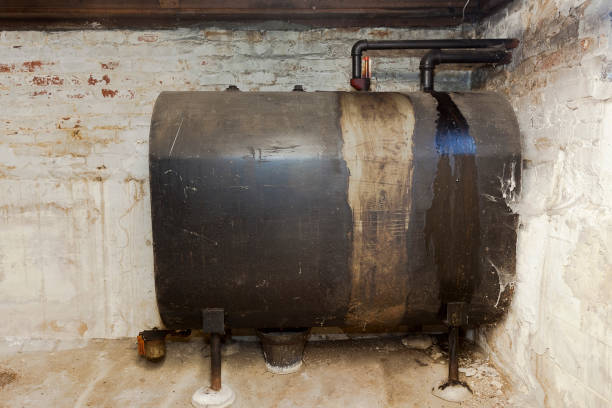
One of the most obvious indicators that your oil tank may need replacement is visible rust and corrosion on its surface. Rust can weaken the tank's structure, making it more susceptible to leaks. If you notice any signs of rust or corrosion, it's essential to have your tank inspected by a professional. Regular inspections can help identify potential issues before they become major problems.


As noted by industry experts, "Rust is one of the primary causes of oil tank failure. Regular maintenance and inspections are key to preventing rust-related issues."


"Rust is a significant factor in the deterioration of oil tanks. Regular checks can help mitigate this risk."

— Oil Tank Maintenance Guide


Age of Your Current Oil Tank

The age of your oil tank is another critical factor to consider when determining if it needs replacement. Most oil tanks have a lifespan of 15 to 30 years, depending on the material and maintenance. If your tank is nearing or has exceeded its expected lifespan, it's wise to consider replacement, even if it appears to be in good condition.


For more information on oil tank replacement and to ensure that your project is handled professionally, visit Ace Oil Tank Replacement.


Signs That You Need Oil Tank Replacement

Recognizing the signs that indicate the need for oil tank replacement is crucial for maintaining safety and compliance on your property. Your oil tank is a critical component of your heating system, and neglecting its condition can lead to serious consequences, including environmental hazards and costly repairs.


Visible Rust and Corrosion on Tank Surfaces

One of the most obvious indicators that your oil tank may need replacement is visible rust and corrosion on its surface. Rust can weaken the tank's structure, making it more susceptible to leaks. If you notice any signs of rust or corrosion, it's essential to have your tank inspected by a professional. Regular inspections can help identify potential issues before they become major problems.


As noted by industry experts, "Rust is one of the primary causes of oil tank failure. Regular maintenance and inspections are key to preventing rust-related issues."


"Rust is a significant factor in the deterioration of oil tanks. Regular checks can help mitigate this risk."

— Oil Tank Maintenance Guide


Age of Your Current Oil Tank

The age of your oil tank is another critical factor to consider when determining if it needs replacement. Most oil tanks have a lifespan of 15 to 30 years, depending on the material and maintenance. If your tank is nearing or has exceeded its expected lifespan, it's wise to consider replacement, even if it appears to be in good condition.


For more information on oil tank replacement and to ensure that your project is handled professionally, visit Ace Oil Tank Replacement.


Signs That You Need Oil Tank Replacement

Recognizing the signs that indicate the need for oil tank replacement is crucial for maintaining safety and compliance on your property. Your oil tank is a critical component of your heating system, and neglecting its condition can lead to serious consequences, including environmental hazards and costly repairs.


Visible Rust and Corrosion on Tank Surfaces

One of the most obvious indicators that your oil tank may need replacement is visible rust and corrosion on its surface. Rust can weaken the tank's structure, making it more susceptible to leaks. If you notice any signs of rust or corrosion, it's essential to have your tank inspected by a professional. Regular inspections can help identify potential issues before they become major problems.


As noted by industry experts, "Rust is one of the primary causes of oil tank failure. Regular maintenance and inspections are key to preventing rust-related issues."


"Rust is a significant factor in the deterioration of oil tanks. Regular checks can help mitigate this risk."

— Oil Tank Maintenance Guide

Age of Your Current Oil Tank

The age of your oil tank is another critical factor to consider when determining if it needs replacement. Most oil tanks have a lifespan of 15 to 30 years, depending on the material and maintenance. If your tank is nearing or has exceeded its expected lifespan, it's wise to consider replacement, even if it appears to be in good condition.

Tank Material Average Lifespan
Steel 15-20 years
Stainless Steel 20-30 years
Composite 20-30 years

Oil Leaks and Soil Contamination

Oil leaks are a serious issue that can lead to soil contamination and significant environmental and financial consequences. If you suspect an oil leak, it's crucial to address it immediately. Signs of an oil leak include oil stains around the tank, a strong oil odor, or unexplained increases in heating bills.

  • Monitor your tank and surrounding area for signs of leaks
  • Regularly inspect your tank for damage or corrosion
  • Consider upgrading to a newer, more reliable tank model


Failed Tank Inspections and Safety Concerns

Failed tank inspections are a clear indication that your oil tank may need to be replaced. Regular inspections can identify potential safety concerns, such as structural weaknesses or leaks. If your tank fails an inspection, it's essential to take prompt action to address the identified issues.


By understanding these signs and taking proactive measures, you can ensure your oil tank operates safely and efficiently, protecting both your property and the environment.


Types of Oil Tanks: Above Ground vs Underground Options

When considering oil tank replacement, you have two primary options to choose from: above ground or underground oil tanks. The decision between these two options depends on various factors, including your property's specific needs, local regulations, and personal preferences.


Above Ground Oil Tank Replacement

Above ground oil tanks are installed, as the name suggests, above the ground. This type of installation can offer several benefits.


Advantages of Above Ground Tanks

Above ground oil tanks have several advantages, including:

  • Easier to inspect and maintain: Above ground tanks are more accessible, making regular inspections and maintenance simpler and less costly.
  • Longer lifespan: Generally, above ground tanks can last longer than underground tanks because they are less prone to corrosion from soil.
  • Lower upfront cost: The initial installation cost for above ground tanks is often lower compared to underground tanks.


Maintenance and Accessibility

One of the significant benefits of above ground oil tanks is their ease of maintenance. Since they are visible and easily accessible, any issues can be identified and addressed promptly. Regular maintenance tasks include checking for signs of wear, ensuring the tank is properly secured, and verifying that all connections are tight and not leaking.


Underground Oil Tank Replacement

Underground oil tanks, on the other hand, are buried beneath the ground. This type of installation is often chosen for its aesthetic appeal and potential to save space.


Benefits of Underground Installation

The benefits of underground oil tanks include:

  • Aesthetic appeal: Underground tanks are not visible, preserving the appearance of your property.
  • Space-saving: By being underground, these tanks do not occupy valuable space on your property.
  • Protection from weather: Underground tanks are shielded from extreme weather conditions, which can potentially extend their lifespan.


Special Considerations for Underground Tanks

While underground oil tanks offer several benefits, they also come with unique challenges. For instance, they are more difficult to inspect and maintain, and there is a higher risk of soil contamination if leaks occur. Special considerations include ensuring that the tank is properly installed to withstand soil pressure and that regular monitoring is in place to detect any potential leaks.


Which Option Is Right for Your Property

Choosing between an above ground and an underground oil tank replacement depends on your specific circumstances. Consider factors such as your property's layout, local regulations regarding oil tank installations, and your budget. It's also crucial to consult with a professional to assess your needs and provide guidance on the most suitable option.


Step 1: Assess Your Current Oil Tank Condition

The first step in planning oil tank replacement involves a thorough assessment of your existing tank's condition. This critical evaluation helps you understand the current state of your oil tank and make informed decisions about its replacement.


Conduct a Professional Tank Inspection

A professional tank inspection is essential to identify any potential issues with your current oil tank. Experienced technicians will examine the tank's condition, checking for signs of wear, corrosion, or damage. This inspection will provide you with a comprehensive understanding of your tank's state.


Document Existing Problems and Defects

During the inspection, it's crucial to document any existing problems or defects found with your oil tank. This documentation will help you understand the extent of any damage and the necessary steps for replacement. Detailed records of the inspection findings will also be useful when consulting with oil tank replacement professionals.


Determine Tank Age and Capacity Requirements

Understanding the age and capacity of your current oil tank is vital for planning its replacement. This involves checking the manufacturing date and assessing your current and future heating needs.


Checking Manufacturing Dates and Tank History

The age of your oil tank can significantly impact its performance and safety. Checking the manufacturing date and reviewing the tank's history will help you determine if it's nearing or has exceeded its expected lifespan. Typically, oil tanks have a lifespan of 15 to 30 years, depending on the material and maintenance.


Measuring Current and Future Heating Needs

Assessing your current heating needs and anticipating future requirements is crucial for selecting the right size and capacity for your new oil tank. This ensures that the replacement tank meets your heating demands efficiently.


Evaluate the Tank Location and Accessibility

The location and accessibility of your current oil tank are important factors to consider during the replacement process. Evaluating these aspects will help determine the ease or challenges of removing the old tank and installing a new one. Factors such as proximity to living areas, accessibility for technicians, and any environmental concerns need to be assessed.


Step 2: Research Local Regulations and Permit Requirements

Navigating the complex world of oil tank replacement requires a thorough understanding of local regulations and permit requirements. Compliance with these regulations is not only legally necessary but also crucial for ensuring the safety and environmental integrity of the replacement process.


Understanding Federal and State Oil Tank Regulations

Oil tank replacement is subject to various federal and state regulations designed to protect the environment and public health. At the federal level, the Environmental Protection Agency (EPA) sets guidelines that impact how oil tanks are installed, maintained, and removed.


Federal Regulations: The EPA regulates underground storage tanks (USTs) under the Resource Conservation and Recovery Act (RCRA), Subtitle I. These regulations cover aspects such as tank design, installation, and closure.


EPA Guidelines for Oil Tank Removal

The EPA provides specific guidelines for the safe removal of oil tanks, emphasizing the need for proper assessment of the tank's condition and the surrounding soil. This includes:

  • Conducting a thorough site assessment to identify potential contamination.
  • Ensuring that the removal is performed by qualified personnel.
  • Properly disposing of the tank and any contaminated materials.


State-Specific Requirements in Massachusetts and Surrounding Areas

In addition to federal regulations, states like Massachusetts have their own set of rules governing oil tank replacement. For instance, Massachusetts requires:

  1. Registration of oil tanks with the state's Department of Environmental Protection (DEP).
  2. Compliance with specific standards for tank installation and removal.
  3. Notification to the DEP before tank removal or abandonment.


Obtaining Necessary Permits for Removal and Installation

Before proceeding with oil tank replacement, it's essential to obtain the necessary permits. This typically involves submitting an application to your local building department, providing details about the tank replacement project, including the type and size of the new tank.


Permit Requirements: The specific permits required can vary depending on the location and type of tank being replaced. Common permits include building permits and environmental permits.


Environmental Compliance Standards You Must Meet

Environmental compliance is a critical aspect of oil tank replacement. This includes adhering to standards for tank removal, soil testing, and remediation if necessary.

Key Compliance Areas:

  • Soil testing to identify any contamination.
  • Remediation measures if soil or groundwater contamination is found.
  • Proper disposal of hazardous materials.


Working with Local Building Departments

Effective communication with your local building department is vital to ensure that all regulatory requirements are met. This includes:

  • Submitting the necessary permit applications.
  • Providing required documentation, such as tank inspection reports.
  • Coordinating inspections as required by local regulations.


By understanding and complying with local regulations and permit requirements, you can ensure a smooth and compliant oil tank replacement process.


Step 3: Choose the Right Oil Tank Replacement Contractor

Selecting a reliable oil tank replacement contractor can make all the difference in your project's success. The right contractor ensures that the replacement process is handled efficiently, safely, and in compliance with all relevant regulations.


Verify Licensing and Insurance Coverage

Before hiring an oil tank replacement contractor, it's crucial to verify their licensing and insurance coverage. A reputable contractor should have the necessary licenses to operate in your state and possess adequate insurance to cover any potential damages or accidents during the project. This not only protects you as a homeowner but also ensures that the work is done to the required standards.


Check Experience with Oil Tank Services

Experience is a key factor when choosing an oil tank replacement contractor. You should look into their background in handling oil tank services, including both removal and installation.


Years in Business and Project Portfolio

A contractor with several years of experience is likely to have encountered a variety of situations and will be better equipped to handle any challenges that arise during your project. Ask to see their project portfolio to gauge the scope and quality of their work.


Specialization in Both Removal and Installation

It's beneficial to hire a contractor who specializes in both the removal of old oil tanks and the installation of new ones. This ensures continuity and expertise throughout the entire process, reducing the risk of miscommunication or mismanagement.


Read Reviews and Request References

Reading reviews from previous clients can provide valuable insights into a contractor's reliability, work quality, and customer service. Don't hesitate to request references and contact them to ask about their experiences.


Get Multiple Written Estimates

Obtaining written estimates from multiple contractors allows you to compare prices, services included, and the overall approach to your project. Be wary of significantly low bids, as they may indicate a lack of experience or hidden costs.


Why Ace Oil Tank Replacement Stands Out

Ace Oil Tank Replacement is a trusted name in the industry, known for its comprehensive oil tank services. With extensive experience in both removal and installation, they offer a seamless solution for homeowners. Their team is fully licensed and insured, ensuring that your project is handled professionally and safely. For expert oil tank replacement services, contact Ace Oil Tank Replacement at 413-241-6720.


Step 4: Plan for Oil Tank Removal and Disposal

The removal and disposal of your old oil tank require careful planning to ensure safety and compliance with regulations. This step is crucial in the overall oil tank replacement process, as it involves not only the physical removal of the tank but also ensuring that the disposal is handled in an environmentally responsible manner.


Safe Oil Tank Removal Procedures

Safe removal procedures are essential to prevent accidents and environmental contamination. This involves several key steps, including draining and cleaning the tank, and for underground tanks, excavation.


Tank Draining and Cleaning Protocols

Draining and cleaning the oil tank are critical before its removal. This process involves pumping out any remaining oil and cleaning the tank to remove sludge and residue. Professional contractors use specialized equipment to ensure the tank is safely and thoroughly cleaned.


Excavation for Underground Tanks

For underground oil tanks, excavation is necessary to access the tank. This process requires careful planning to avoid damaging surrounding structures or causing soil disturbance. Experienced contractors use appropriate machinery and techniques to safely excavate the tank.


Proper Oil Tank Disposal Methods

After removal, the oil tank must be disposed of in accordance with local regulations and environmental guidelines. This typically involves recycling the tank material, such as steel, and ensuring that any contaminated parts are handled properly.


Soil Testing and Remediation Requirements

Soil testing is a critical component of the oil tank removal process, especially for underground tanks. It helps identify any contamination caused by leaks or spills.


When Soil Testing Is Legally Required

In many jurisdictions, soil testing is required by law when an oil tank is removed, particularly if there's suspicion of leakage or contamination. Regulations vary, so it's essential to check with local authorities to understand the specific requirements.


Addressing Contamination Issues Promptly

If soil testing reveals contamination, it's crucial to address the issue promptly. This may involve remediation efforts, such as removing contaminated soil or implementing measures to prevent further contamination. Prompt action helps minimize environmental impact and potential legal liabilities.


Timeline for the Removal Process

The timeline for oil tank removal can vary depending on factors such as tank size, location, and the complexity of the removal process. Generally, the process can take anywhere from a few days to several weeks. Here's a breakdown of the typical steps involved and their associated timelines:

Step Description Typical Duration
Tank Draining and Cleaning Pumping out remaining oil and cleaning the tank. 1-3 days
Excavation (for underground tanks) Accessing the tank through excavation. 1-5 days
Tank Removal Physically removing the tank from the site. 1 day
Soil Testing Conducting tests to check for soil contamination. 1-3 days
Disposal Properly disposing of the tank and any contaminated materials. 1-2 days

Understanding the timeline helps you plan accordingly and ensures that the removal process is completed efficiently and safely.


Step 5: Schedule Your Oil Tank Installation

The installation of your new oil tank is a critical phase that requires careful planning. This step involves several key considerations to ensure a smooth and successful installation process.


Selecting Your New Tank Type and Size

Choosing the right type and size of oil tank is crucial for efficient and safe operation. You need to consider factors such as your heating needs, available space, and local regulations.


Single Wall vs Double Wall Tanks

One of the primary decisions you'll need to make is whether to install a single wall or double wall tank. Single wall tanks are less expensive upfront but offer less protection against leaks. Double wall tanks, on the other hand, provide an additional layer of protection against potential oil spills and leaks, making them a safer choice.

Tank Type Cost Leak Protection
Single Wall Lower upfront cost Less protection
Double Wall Higher upfront cost Enhanced protection

Determining Optimal Tank Capacity

Determining the optimal tank capacity is essential to meet your heating needs without excessive storage. Your contractor can help you assess your requirements based on factors such as your home's size, insulation, and heating system efficiency.


Coordinating Installation Timeline

Coordinating the installation timeline with your contractor is vital to minimize disruptions. You'll need to agree on a date and time that works for both you and the installation team.


Preparing Your Property for Installation

Before the installation team arrives, ensure that your property is prepared. This may involve clearing the area around the tank location, providing access for the installation crew, and notifying your neighbors.


Final Inspection and Testing of New System

Once the new tank is installed, a final inspection and testing will be conducted to ensure everything is working correctly and safely. This step is crucial for verifying that the installation meets all safety and regulatory standards.


Budgeting for Your Oil Tank Replacement Project

Budgeting for an oil tank replacement project involves considering several key factors to avoid unexpected expenses. Understanding the various costs associated with the replacement process will help you plan more effectively and ensure a smooth transition to your new oil tank system.


Average Costs for Oil Tank Removal

The cost of removing an old oil tank can vary depending on factors such as the tank's size, location, and the complexity of the removal process. On average, homeowners can expect to pay between $500 to $2,000 for oil tank removal, with underground tanks typically costing more to remove than above-ground tanks due to the complexity of the process.


Installation Costs for New Tanks

The cost of installing a new oil tank is another significant expense to consider. The price can range from $1,000 to $3,000 or more, depending on the type and size of the tank, as well as any additional features or requirements such as secondary containment. Above-ground tanks are generally less expensive to install than underground tanks.


Additional Expenses to Consider

Beyond the costs of removal and installation, there are several other expenses that you should factor into your budget. These include:


Permit and Inspection Fees

Before and after the replacement, your local authorities may require permits and inspections to ensure compliance with regulations. These fees can vary by location but are typically in the range of $100 to $500.


Soil Remediation and Testing Costs

If your old tank has leaked, you may need to conduct soil testing and remediation. The cost for this can range widely, from $500 to $5,000 or more, depending on the extent of the contamination.


Disposal and Recycling Fees

Proper disposal of your old tank is crucial, and there may be fees associated with this process. Recycling fees can vary, but you can expect to pay between $100 to $500 for the disposal of your old oil tank.

Service Average Cost Factors Affecting Cost
Oil Tank Removal $500 - $2,000 Tank size, location, complexity
New Tank Installation $1,000 - $3,000+ Tank type, size, features
Permit and Inspection Fees $100 - $500 Local regulations
Soil Remediation and Testing $500 - $5,000+ Extent of contamination
Disposal and Recycling Fees $100 - $500 Disposal method

Financing Options for Oil Tank Upgrade

Understanding your financing options can make the oil tank replacement process more manageable. Some contractors offer financing plans or can guide you through available loan options. It's also worth exploring any local or state incentives for upgrading to more environmentally friendly tank systems.


By carefully considering these costs and exploring your financing options, you can budget effectively for your oil tank replacement project and ensure a successful outcome.


Benefits of Upgrading Your Oil Tank System

Replacing your old oil tank can significantly improve your home's safety and efficiency. Upgrading your oil tank system is a crucial step in maintaining a safe, efficient, and valuable property. A modern oil tank system offers numerous benefits that can enhance your overall heating experience.


Improved Safety and Environmental Protection

One of the primary benefits of upgrading your oil tank system is improved safety. Modern oil tanks are designed with safety features that reduce the risk of leaks and spills, protecting your property and the environment. Older tanks are more prone to corrosion and leaks, which can lead to costly cleanups and potential hazards.


Key safety features of new oil tanks include:

  • Enhanced corrosion protection
  • Improved leak detection systems
  • Better spill containment measures


Better Energy Efficiency and Performance

New oil tank systems are designed to be more energy-efficient, providing better performance and potentially lowering your heating costs. Modern tanks are often equipped with advanced technology that optimizes fuel storage and delivery.

Feature Old Oil Tank New Oil Tank
Corrosion Protection Limited Advanced coatings and materials
Leak Detection Often manual or absent Automatic leak detection systems
Energy Efficiency Less efficient Optimized for better fuel storage and delivery

Increased Property Value and Marketability

Upgrading your oil tank system can also increase your property's value and marketability. A modern, safe, and efficient oil tank system is a significant selling point for potential buyers, demonstrating that your property is well-maintained and environmentally responsible.


Peace of Mind and Regulatory Compliance

Finally, upgrading your oil tank system provides peace of mind, knowing that you are complying with current regulations and avoiding potential fines or legal issues. Modern oil tanks are designed to meet or exceed current environmental and safety standards.


By investing in a new oil tank system, you can enjoy a worry-free heating experience, knowing that your system is safe, efficient, and compliant with regulations.


Working with Ace Oil Tank Replacement for Expert Service

Ace Oil Tank Replacement stands out as a leading provider of comprehensive oil tank services. With a focus on delivering high-quality solutions, they ensure that your oil tank replacement needs are met with professionalism and expertise.


Comprehensive Oil Tank Services from Start to Finish

Ace Oil Tank Replacement offers a full range of services, from initial assessment to final installation. Their comprehensive approach includes:

  • Professional Tank Inspections: Identifying potential issues before they become major problems.
  • Safe Removal and Disposal: Ensuring that old tanks are removed and disposed of in an environmentally responsible manner.
  • New Tank Installation: Providing high-quality, durable tanks that meet your heating needs.


Licensed and Experienced Oil Tank Contractors

The team at Ace Oil Tank Replacement consists of licensed and experienced contractors who are well-versed in the latest industry standards and best practices. Their expertise ensures that every job is done correctly and efficiently.


Local Expertise in the Massachusetts Area

With their deep understanding of local regulations and environmental concerns, Ace Oil Tank Replacement is uniquely positioned to serve homeowners in Massachusetts. They are familiar with the specific requirements and challenges of the area, allowing them to provide tailored solutions.


Contact Ace Oil Tank Replacement at 413-241-6720

For expert assistance with your oil tank replacement needs, contact Ace Oil Tank Replacement today at 413-241-6720. You can also visit their website at https://www.aceoiltankreplacement.com/ for more information on their services and to schedule a consultation.

Conclusion

Planning oil tank replacement can seem daunting, but breaking it down into 5 easy steps makes the process manageable. You've learned how to assess your current tank's condition, research local regulations, choose the right contractor, plan for removal and disposal, and schedule your new tank installation. By following these steps, you can ensure a smooth oil tank replacement process.


Working with a professional service like Ace Oil Tank Replacement is crucial for a successful project. Their expertise ensures that your oil tank replacement is done safely, efficiently, and in compliance with all regulations. With Ace Oil Tank Replacement, you can enjoy improved safety, better energy efficiency, and increased property value.


By investing time in planning your oil tank replacement and partnering with experienced professionals, you can avoid costly mistakes and enjoy the benefits of a modern, efficient oil tank system. For expert oil tank replacement services in the Massachusetts area, contact Ace Oil Tank Replacement at 413-241-6720 to get started on your project.


FAQ

How do I know if it is time for an oil tank replacement?

You should closely monitor your tank for visible rust, corrosion, or wet spots on the surface. If your tank is more than 20 years old or has failed a recent inspection, it is time to plan an oil tank replacement. Addressing these signs early helps you avoid oil leaks and costly soil contamination.


What is the difference between above ground and underground oil tank replacement?

An above ground oil tank replacement typically offers easier accessibility for maintenance and inspections. Conversely, underground oil tank replacement is ideal if you want to save yard space or protect the tank from outdoor elements. Both options require professional oil tank contractors to ensure they meet modern safety standards.


What does the oil tank removal process entail?

The process involves draining any remaining fuel, cleaning the interior to remove sludge, and safely disconnecting the lines. For an underground oil tank, the soil must be excavated. Ace Oil Tank Replacement follows strict safety protocols to ensure the oil tank removal is performed without impacting your property’s environment.


Are there specific permits required for an oil tank upgrade?

Yes, local building departments and state regulations in Massachusetts generally require permits for both removal and installation. Working with Ace Oil Tank Replacement ensures that all necessary paperwork is handled and that your oil tank upgrade complies with EPA guidelines and environmental standards.


Why is soil testing important during oil tank disposal?

During oil tank disposal, especially with underground units, soil testing is often legally required to check for leaks that may not be visible. If contamination is found, soil remediation must be performed promptly to protect the groundwater and maintain your property's market value.


How should I choose between different oil tank services?

You should look for oil tank contractors who are fully licensed, insured, and specialized in both removal and installation. Ace Oil Tank Replacement stands out by providing comprehensive oil tank services, including site assessment, permit acquisition, and the final testing of your new system.


What factors influence the cost of a new oil tank installation?

Your budget will depend on the tank's capacity, whether you choose a single-wall or double-wall tank, and the complexity of the site. Additional costs may include oil tank disposal fees, permit charges, and any necessary site restoration. You can contact Ace Oil Tank Replacement at 413-241-6720 for a detailed written estimate.


What are the main benefits of modernizing my heating system with a new tank?

A new oil tank installation provides significantly better energy efficiency and environmental protection. Modern tanks are designed to be more durable and leak-resistant, which increases your property value and provides you with long-term peace of mind regarding regulatory compliance.


How can I get started with my oil tank replacement project?

The best way to start is by scheduling a professional inspection to assess your current tank’s condition. You can visit https://www.aceoiltankreplacement.com/ to learn more about the 5-step planning process or call the experts at Ace Oil Tank Replacement directly to coordinate your project timeline.