Oil Tank Replacement Cost: What You’ll Actually Pay (No Surprises)
If you’re searching for oil tank replacement cost, you’re likely trying to figure out how much this will actually cost — and how to avoid overpaying.
Here’s the honest answer:
👉 Most homeowners pay between $2,000 and $4,500+ for
oil tank replacement.
But depending on your situation, the price can go higher — or be kept under control with the right approach.
📞 Call now for a fast, accurate quote based on your home.
Average Oil Tank Replacement Cost (2026 Guide)
The cost of replacing an oil tank depends on several key factors, but here’s a realistic breakdown:
● Basic replacement: $2,000 – $3,000
● Standard replacement: $3,000 – $4,500
● Complex installations: $4,500 – $7,000+
👉 Most homes fall in the standard range, especially for a typical 275-gallon tank.
What Affects Oil Tank Replacement Cost?
No two homes are exactly the same — and that’s why pricing can vary.
Tank Size (275 vs 330 Gallon)
Larger tanks cost more due to:
● Higher material cost
● Increased labor
● Additional support requirements
Tank Location (Indoor vs Outdoor)
● Indoor tanks (basement): usually more straightforward
● Outdoor tanks: may require additional protection and setup
Removal Complexity
Removing an old tank can increase cost if:
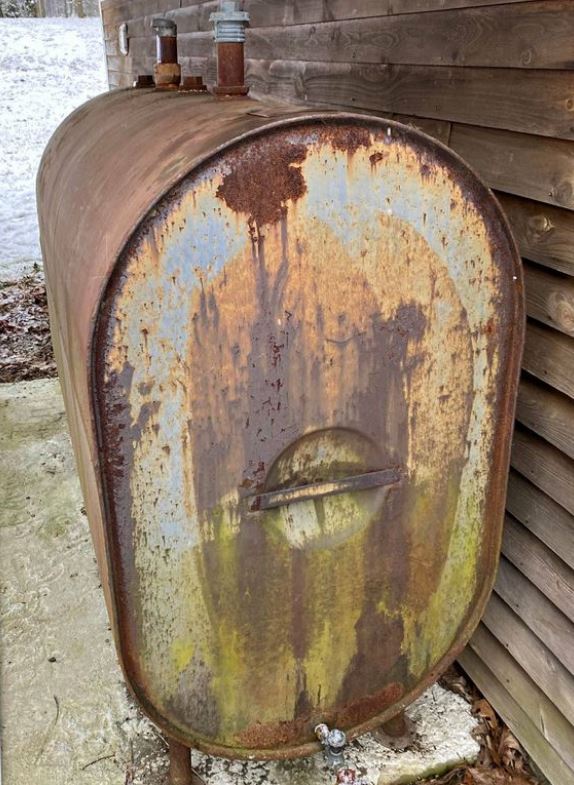
● It’s rusted or deteriorated
● It’s difficult to access
●
It requires special handling
Get a free quote
Oil tank replacement cost pg
Code Upgrades & Permits
Many replacements require updates to meet current safety codes, including:
● New piping or valves
● Safety shut-off systems
● Permit approvals
👉 These are essential for safety — but they do add to the cost.
Oil Tank Replacement Cost by Tank Size
Here’s a quick breakdown most homeowners ask about:
● 275-gallon oil tank replacement cost: $2,000 – $4,000
● 330-gallon oil tank replacement cost: $3,000 – $5,500+
👉 The 275-gallon tank is the most common in residential homes.
Hidden Costs Most Homeowners Don’t Expect
This is where many quotes can become misleading.
Environmental Cleanup
If your tank is leaking:
● Soil contamination cleanup may be required
● Costs can jump into the thousands quickly
Structural or Access Issues
Tight spaces or difficult installations may require:
● Extra labor
● Specialized equipment
Old Tank Disposal
Proper removal and disposal must follow regulations — this can add to total cost.
How to Avoid Overpaying for Oil Tank Replacement
Most people don’t realize this — but timing and preparation can make a huge difference.
Replace Before Failure
Waiting until your tank leaks can:
● Double or triple your cost
● Add emergency fees
Work With Specialists (Not General Contractors)
Oil tank replacement requires:
● Code knowledge
● Safety expertise
● Proper equipment
Get a Proper Inspection First
A professional inspection ensures:
● Accurate pricing
● No hidden surprises
Is It Better to Repair or Replace an Oil Tank?
If your tank is:
● Over 15–20 years old
● Showing rust or wear
● At risk of leaking
👉 Replacement is almost always the smarter (and safer) long-term choice.
How Long Does Oil Tank Replacement Take?
Most oil tank replacements are completed in:
👉 One day or less
This includes:
● Removal of the old tank
● Installation of the new tank
● System testing
Related Services
● Oil Tank Replacement
● Emergency Oil Tank Replacement
● New Oil Tank Installation
👉 Visit our main service page to learn more about the full replacement process.
Frequently Asked Questions About Oil Tank Replacement Cost
How much does it cost to replace a 275-gallon oil tank?
Most homeowners pay between $2,000 and $4,000 depending on setup and location.
Why do some quotes seem much higher?
Higher quotes usually include code upgrades, difficult installations, or additional safety requirements.
Can I finance oil tank replacement?
Some providers offer financing options — ask during your estimate.
Get a Fast, Accurate Oil Tank Replacement Cost Estimate
Every home is different — and the best way to know your exact cost is to get a professional evaluation.
👉 We provide clear, honest pricing with no surprises.
📞 Call now to get your oil tank replacement cost estimate and protect your home before problems start.